 SearchSearch


This SEO glossary gives each term a plain definition and a video that explains it. Press a term and the set plays it, then the next one.
CH 11.2 SEO Terms ExplainedAnn SmartySEO vs GEO vs AEO, Explained Like You Are Five :)
CH 11.1
Channels that explain SEO terms plainly, Google's own among them.
CH 11.2
SEO terms explained at length, for when a sentence is not enough.
SEO vs GEO vs AEO, Explained Like You Are Five :)Ann Smarty EEAT Explained: What Google Actually Uses to Judge Trust & QualityEdward Sturm
 What is a Marketing Engineer?David Quaid SEOtv
 What Is AI Visibility? The 3 Types Every Marketer Needs to Know | 1.3. AEO Course by AhrefsAhrefs
 How the LLM Query Fan Out Process Really Works for AI CitationsWP-Tonic
 Common Crawl for AI Visibility Explained (James Dooley Interviews Stephen Burns)James Dooley
 Different Types of Link Building Services Explained (James Dooley Chats With Craig Campbell)James Dooley
 Source Context Explained in Semantic SEO Terms (James Dooley Interviews Germans Frolovs)James Dooley
CH 11.3
SEO FAQs on video, with working SEOs taking questions from real people.
 Is SEO Even Worth It? | SEO Expert Answers Most Searched QuestionsCaleb Ulku
 Answers To Reddit SEO Questions Rapid Fire - Episode 140Grumpy SEO Guy
 What Does an SEO Actually Do Every Day? New vs. Ranking vs. Established SitesEdward Sturm
 Questions To Ask An SEO Agency To Hire ThemGrumpy SEO Guy
 Tough Questions CEOs are Asking About AI SEO (and How To Answer Them) w/ Gaetano DiNardiContent and Conversation
 Oct 22Local SEO Tips : SEO Consulting Office HoursChris Palmer SEO
 Bad Answers to A Popular Question - (SEO Is Not About Your Website) - Episode 143Grumpy SEO Guy
CH 11.4
SEO explainer podcast episodes for the terms that need more than a sentence.
 What is a web crawler, really?Search Off the Record · Mar 14, 2024 · 30 min
 The State and Future of Search Q&A with Danny Sullivan, Google Search LiaisonCrawling Mondays · Sep 29, 2024 · 47 min
 Does Answering People Also Ask Questions Improve Rankings? (SEO Study w/ Chris Green)Search with Candour · Jun 1, 2026 · 49 min
 The Two Types of AI Memory Explained: Parametric Memory and RAG for SEOs (James Dooley Interviews Stephen Burns)AI SEO and Business Automation · Aug 28, 2026 · 6 minWhat is enterprise SEO? with Matt HepburnSearch with Candour · Jan 8, 2024 · 1 hr 2 min
These SEO terms and definitions run A to Z, and each one opens a video that explains it. When two shows disagree, Google's own Search Central documentation is the place to settle it.
 AEOAnswer engine optimization: getting a brand named in AI answers. Most of the work is still SEO.
 AI OverviewGoogle's AI summary at the top of some results, with links to its sources.
 Anchor textThe clickable words in a link, which tell Google what the linked page is about.
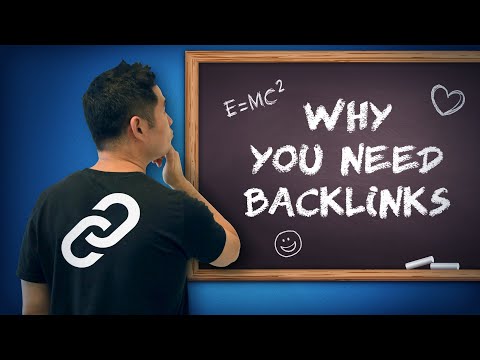 BacklinkA link from another site to yours, and the main way authority moves around the web.
 Canonical URLThe URL Google picks as most representative from a set of duplicate pages.
 Core updateA broad change to Google's ranking systems, made several times a year.
 Crawl budgetThe set of URLs Google can and wants to crawl on a site. Mostly a worry for very large sites.
 Domain authorityA score from Moz that estimates ranking strength. It is a vendor metric, not a Google one.
 E-E-A-TExperience, expertise, authoritativeness and trustworthiness. Google says it isn't a specific ranking factor.
 GEOGenerative engine optimization: getting cited in AI answers. Close to the same job as AEO.
 GooglebotGoogle's crawler. David G Quaid calls it a courier that fetches pages for Google's other systems.
 IndexingGoogle storing a page so it can appear in results. Crawled does not mean indexed.
 Keyword researchFinding the words people search for, and how many of them do.
 llms.txtA proposed file that lists a site's key pages for AI models. Google says its Search doesn't use it.
 Meta descriptionThe short summary you write for a page. Google often writes its own instead.
 PageRankGoogle's original link-based score for a page, still part of its core ranking systems.
 Parasite SEOPublishing on a stronger site to borrow its rankings. Google's site reputation policy covers the spam version.
 PBNPrivate blog network: sites built to link to another site. Google counts that as link spam.
 Programmatic SEOBuilding many pages from a template and a data set.
 Query fan-outA set of related searches an AI system runs at once to answer one question.
 Ranking factorSomething Google's systems use to order results. Most public lists of them are guesswork.
 RedirectAn instruction that sends a visitor to another URL. A 301 says the move is permanent.
 Robots.txtA file that tells crawlers what not to fetch. It does not keep a page out of Google.
 Schema markupCode that labels a page for machines. David G Quaid says it is not a ranking factor.
 Scaled content abuseGoogle's spam policy on making many pages mainly to manipulate rankings.
 Search intentWhat a person actually wants when they type a search.
 SERPSearch engine results page: everything you see after you search.
 SitemapA file that lists the URLs you want a search engine to know about.
 Title tagThe page title that shows in search results and on the browser tab.
 Topical authorityThe idea that a site covering a subject in depth earns more trust on it.
 Toxic linksA label some tools put on bad backlinks. David G Quaid says to quit the report.
 Zero-click searchA search that ends without a click to any website.
SEO FAQs below are the questions people keep asking Google, and each one has a full page of its own.
SEO is not dead, and AEO and GEO sit on top of search instead of replacing it. Is SEO dead or evolving has the data.
A beginner can do SEO, starting with Google's free guide and a test site of their own, as this answer explains.
SEO is high paying at senior level and modest at the start, and the salary page has the numbers by role.
The father of SEO is Bruce Clay, the person the industry most often gives that name, and his story is worth reading.
Sources for this page were checked on Nov 1, 2026.


